Most problems on a building site start long before construction does: a missing document, an approval that takes longer than expected, or a budget that was never written down. Work through this checklist first and your build will start on solid ground.
1. Clear land documents
Make sure the land is legally yours and free of disputes. In Tamil Nadu, keep these ready:
- Sale deed and the parent documents for the land.
- Patta and chitta in your name.
- Encumbrance Certificate (EC) for the last 13 to 30 years, showing no pending loans or claims.
- Latest property tax receipt.
If you plan to take a home loan, your bank will check all of these, so it is worth sorting them out early.
2. Approved layout and building permission
Check that your plot is in an approved layout. Depending on where it is, building permission comes from CMDA, DTCP or your local body (corporation, municipality or panchayat). Rules and timelines change, so confirm the current process with the right authority before you finalise your plan.
3. Soil test
A soil test tells your structural engineer how strong the ground is and how deep the foundation must go. Many parts of Chennai have clayey or filled soil, and skipping this test can mean an unsafe foundation or a costly redesign later.
4. Setbacks, FSI and road width
Setbacks are the open spaces you must leave around the building. FSI (Floor Space Index) limits how much you can build on your plot, and the width of the road in front affects both. Know these numbers before you design, so your plan gets approved the first time.
5. Final plan and structural drawings
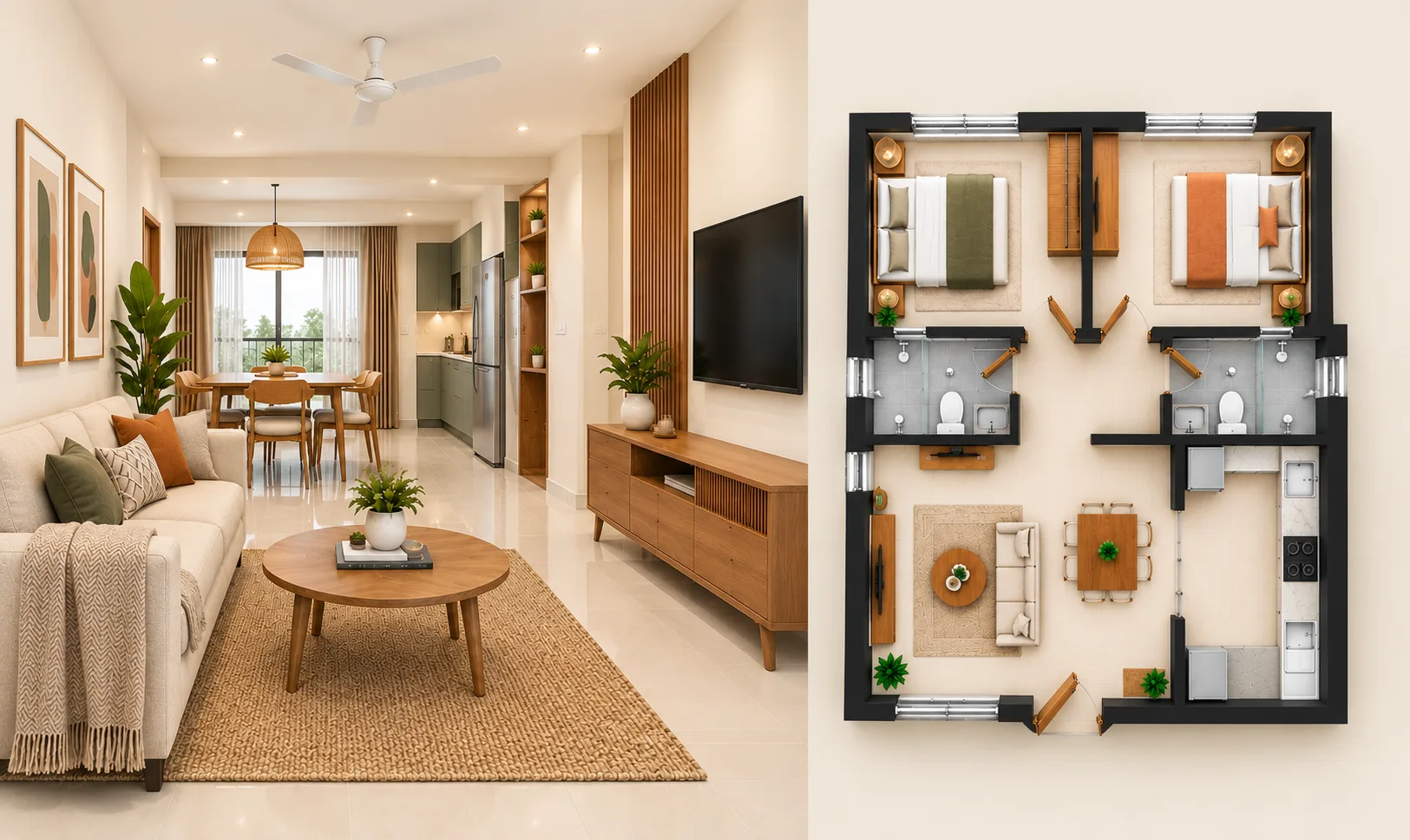
Freeze the floor plan, elevation, and structural, electrical and plumbing drawings before work begins. Every change made once construction has started costs more time and money than the same change on paper.
6. Orientation, Vastu and Chennai's climate
Plan rooms around both Vastu and comfort. In Chennai's heat, limit large windows on the west side, place bedrooms where they catch the evening breeze, and use deep sunshades. A well-oriented home stays cooler and uses less power.
7. A realistic, written budget
Write down the construction cost, site extras (sump, septic tank, compound wall), approval fees and interiors. Then keep 8–10% aside as a buffer. Our construction cost guide explains how to work this out.
Ramgee Tip
Arrange your finance, whether a home loan or savings, to match the payment stages in your agreement. Work that stops for want of funds always costs more to restart.
8. Water, drainage and rainwater harvesting
Check groundwater availability and plan the borewell, sump capacity and overhead tank. Rainwater harvesting is mandatory for buildings in Tamil Nadu, so include it in your design. Also plan how rainwater will drain from your plot during heavy rain.
9. Monsoon timing
Chennai gets most of its rain from the northeast monsoon, roughly October to December. Plan to finish foundation and basement work before the heavy rains, or allow for some delay. Monsoon-season roof concreting needs extra care with curing and covering.
10. The right builder and a clear agreement
Choose a builder who gives you:
- An itemised quote with material brands and price limits.
- A written agreement with scope, timeline and payment stages.
- Completed homes you can visit and see for yourself.
- A single point of contact who answers your calls.
Ready to start?
Tick off these ten points and you will avoid the most common delays and disputes. If you would like help with any of them, from design to approvals support, our team can visit your site for free.